

Industrial wastewater treatment has become more demanding as environmental regulations tighten and industries strive to reduce operational costs. Manufacturing facilities in sectors such as textiles, engineering, food processing, and chemicals are under increasing pressure to treat wastewater effectively while maintaining production efficiency. This is where Hydro Cavitation Technology for Industrial Wastewater Treatment in Coimbatore is gaining attention as an innovative solution.
Unlike conventional treatment methods that often rely heavily on chemicals or extensive aeration, hydro cavitation uses controlled pressure variations within a liquid to create microscopic bubbles. When these bubbles collapse, they generate intense localized energy capable of breaking down contaminants, improving oxygen transfer, and enhancing biological treatment performance.
Understanding How Hydro Cavitation Works
Hydro cavitation occurs when wastewater passes through specially designed equipment that creates rapid pressure changes. This process forms millions of tiny vapor-filled cavities. As these cavities collapse, they produce:
- High-energy microjets
- Localized high temperatures and pressure
- Enhanced oxidation reactions
- Better mixing throughout the treatment process
These effects improve the degradation of organic pollutants without requiring excessive chemical dosing.
Why Industries Are Moving Towards Hydro Cavitation
Traditional effluent treatment systems can face several challenges:
- High operating costs
- Excessive energy consumption
- Poor oxygen transfer efficiency
- Sludge generation
- Inconsistent treatment performance during varying wastewater loads
Hydro cavitation addresses many of these concerns by improving treatment efficiency within existing systems.
Industries in Coimbatore, particularly textile dyeing units and engineering manufacturers, are increasingly exploring technologies that help them meet discharge norms while controlling long-term operational expenses.
Key Benefits for Industrial Wastewater Treatment
Facilities adopting hydro cavitation technology may experience several operational improvements.
Better Organic Pollutant Reduction
The intense energy generated during cavitation helps break complex organic compounds into simpler forms that biological microorganisms can digest more efficiently.
Improved Aeration Efficiency
The technology enhances oxygen distribution throughout the treatment process, allowing biological treatment systems to perform more effectively.
Lower Chemical Dependency
Many treatment plants can reduce their reliance on chemical oxidants because hydro cavitation itself promotes oxidation reactions.
Reduced Sludge Formation
Efficient degradation of contaminants often results in lower sludge production, reducing disposal costs.
Enhanced Process Stability
Plants handling fluctuating wastewater loads can benefit from more consistent treatment performance.
Industries That Benefit the Most
Hydro cavitation technology is suitable for a wide range of industrial sectors, including:
- Textile processing units
- Dyeing industries
- Chemical manufacturing plants
- Pharmaceutical facilities
- Food processing industries
- Engineering industries
- Electroplating units
- Paper manufacturing plants
Each industry produces wastewater with different characteristics, making proper system design essential for achieving optimal results.
Why Coimbatore Industries Are Adopting Advanced Treatment Technologies
Coimbatore has established itself as one of Tamil Nadu's major industrial hubs. Rapid industrial growth has increased the need for reliable wastewater treatment systems that comply with pollution control standards.
Industrial operators are also focusing on:
- Water reuse opportunities
- Reduced freshwater consumption
- Lower operating expenses
- Improved sustainability initiatives
- Better environmental compliance
Advanced technologies such as hydro cavitation help industries achieve these objectives while improving plant efficiency.
Selecting the Right Treatment Solution
Before implementing hydro cavitation, industries should evaluate:
- Wastewater characteristics
- Flow rate requirements
- Existing treatment infrastructure
- Biological treatment capacity
- Regulatory discharge standards
- Future expansion plans
A properly engineered system delivers significantly better results than a standard off-the-shelf solution.
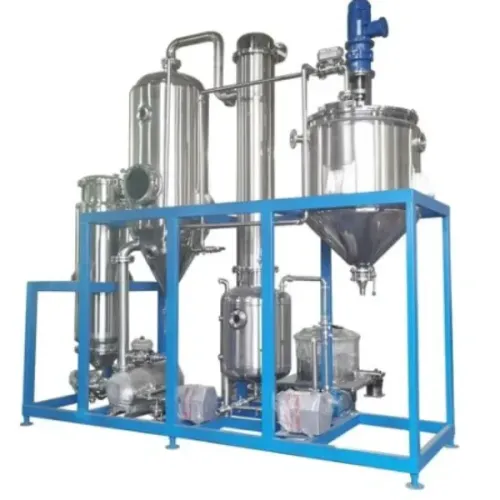
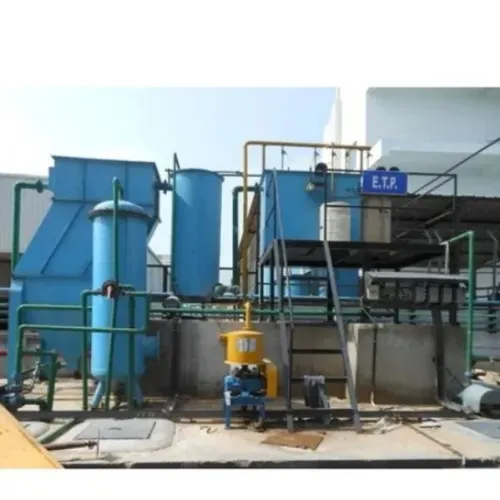
Companies such as Kings Evaporators Sewage Effluent Treatment Plant often emphasize designing treatment systems around actual wastewater characteristics rather than offering one-size-fits-all equipment. This approach allows industries to achieve better treatment efficiency while preparing for future operational demands.
Looking Ahead
As industries continue investing in sustainable manufacturing, hydro cavitation is expected to become an increasingly important part of modern wastewater treatment. Its ability to enhance oxidation, improve oxygen transfer, reduce chemical consumption, and increase overall treatment efficiency makes it a practical solution for manufacturers seeking long-term operational improvements.
For industries across Coimbatore aiming to improve environmental performance without compromising productivity, hydro cavitation represents an effective technological advancement that supports both compliance and operational excellence.